24th Nov 2025
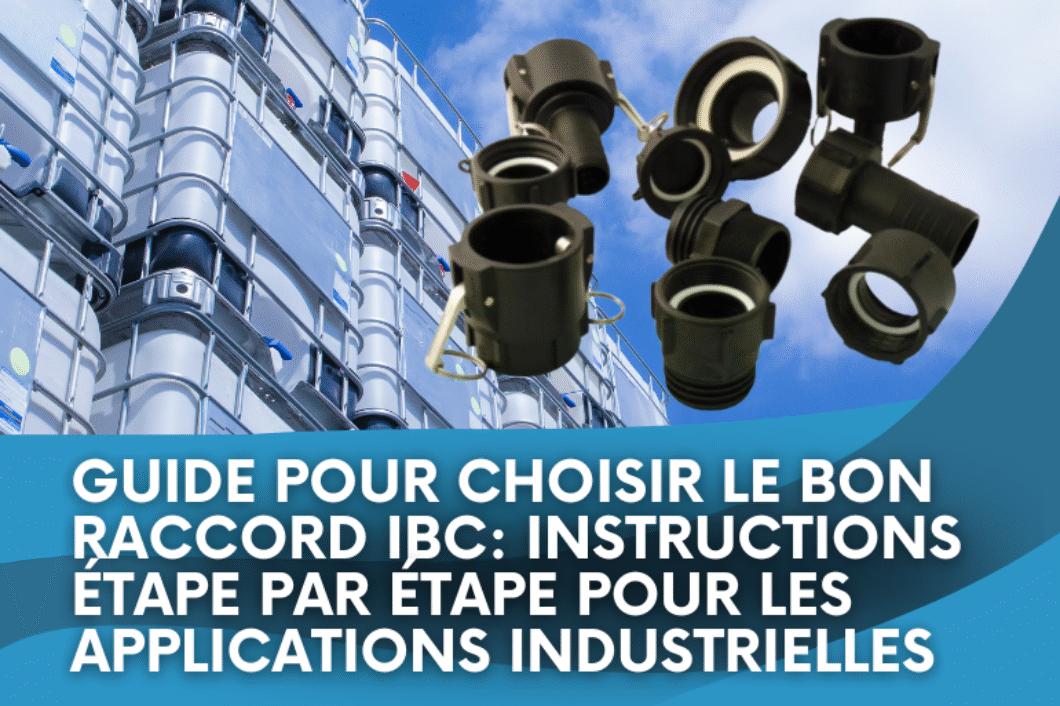
Intermediate bulk containers (IBCs) are widely used in sectors such as agriculture, chemicals, and food production due to their practicality and efficiency in handling liquids and bulk materials. However, choosing the right IBC fitting is essential to ensure compatibility, prevent leaks, and optimize performance. In this guide, we offer a step-by-step process to determine the IBC fitting best suited to your needs.
Step 1:
Identifying the IBC Valve Thread Type
The first step in choosing the right IBC fitting is to identify the thread size of your container’s valve. IBCs come with different threads, which determine the type of fitting required. The most common thread sizes are:
- S60x6 (the most common size for standard IBCs)
- S75x6 (larger threads found on some IBCs)
- S92x4 (less common but used in specific industries)
- S100x8 (used for high-throughput applications)
To measure the thread, use a caliper or thread gauge. You can also consult the manufacturer’s specifications if available.
VIDEO: https://youtu.be/jbc2v57prWg?t=16
Step 2:
Determine the application requirements.
Once you know the thread size, consider how you will use the IBC fitting . Key factors to consider include:
- Fluid type – Ensure that the fitting material is compatible with the liquid being stored or transferred.
- Flow rate – Larger fittings allow for faster flow rates, which may be necessary for high-volume applications.
- Connection type – Determine whether you need a hose fitting, camlock fitting or BSP/NPT thread for connection to other equipment.
VIDEO: https://youtu.be/jbc2v57prWg?t=16
Step 3:
Choosing the Right Adapter:
After determining the thread type and application requirements, select an adapter that easily connects your IBC to pipes, pumps, or dispensing equipment. Common adapter types include:
- Camlock adapters – ideal quick-connect solutions for industrial use.
(Catalog page) - BSP/NPT threaded adapters – Used for pipe and plumbing fittings.
(Catalog page) - Hose fittings – Allow direct connection to a hose for liquid transfer.
(Catalog page) - Hose adapters – Connect your garden hose to an IBC.
Learn more or buy online
VIDEO: https://youtu.be/jbc2v57prWg?t=68
Step 4:
Install and Test the Fitting:
Once you have the correct fitting, install it properly and perform a leak test. Tighten the fittings appropriately, ensuring a snug fit without overtightening, which could damage the threads. Circulate a small amount of fluid through the system to check for leaks before full-scale use.
Choosing the right IBC fitting doesn’t have to be complicated. Select a fitting that matches your container’s valve thread, meets your application requirements, and ensures safe and efficient use.